How to Choose an Everyday Watch You'll Actually Wear
An everyday watch isn't simply a popular sports watch — it has to work with your actual routine, your wrist, your wardrobe, and how much maintenance you're willing to give it. This page walks through those decisions first, then shows a curated set of watches chosen for how they hold up across more than one setting.
What Makes a Watch Work Every Day?
“GADA” — go anywhere, do anything — is a useful shorthand, but the best version of it depends on what your week actually looks like. A watch that's genuinely GADA for a warehouse job is rarely the same watch that's GADA for a client-facing office. The six criteria on the right are what actually decide whether a watch earns daily wear, not the label on the dial.
Every watch on this page is shown with its verified case diameter, movement, and water-resistance rating pulled from the catalogue reference itself — not a marketing claim. Placement here is editorial, never paid.
How Much Water Resistance Is Enough?
For desk work, rain, and careful daily use, check the manufacturer's stated rating rather than assuming — a 30m or 50m rating covers splashes and washing your hands, not swimming. If you swim or get the watch properly wet on a regular basis, look for a genuinely higher verified rating, a screw-down crown where the model has one, and a bracelet or rubber strap that won't mind the exposure.
If your plan actually includes water sports or diving, the honest move is to route to a purpose-built dive watch rather than assume an “everyday” watch with a decent rating will do the job — the two aren't the same brief, even when the numbers overlap. Our full guide to water-resistance ratings covers exactly where each threshold stops being marketing and starts being real.
If you can't remember the last time you were near a pool, most of the water-resistance debate doesn't apply to you.
What Size Works with Most Wardrobes?
Diameter is the number everyone quotes, but lug-to-lug, thickness, dial opening, and how a bracelet's end links curve at the case decide how a watch actually wears — a thinner, shorter-lugged watch slides under a shirt cuff more easily than a nominally smaller one with long, straight lugs.
The other half of versatility is wardrobe fit, not wrist fit: a neutral dial colour and a restrained case finish pair with more outfits than a bright dial or heavy polish, and a standard lug width keeps you free to swap straps as the occasion changes.
If you already know your wrist runs small or large, our dedicated fit guides go further than this page can.
Watches for Small Wrists →Bracelet or Strap?
A metal bracelet is the most durable, most weather-tolerant option and arguably the most versatile — but it's heavier, and the shape of its end links matters more than most buyers expect. Leather looks dressier and breaks in comfortably, but it's a poor match for repeated water exposure or heavy sweat. Rubber or fabric is the practical, casual answer, and it shifts a watch's formality downward the moment you fit it.
If you can only own one strap, a well-fitted bracelet is the hardest one to regret.
Automatic, Quartz, Solar, or Hand-Wound for Everyday Ownership?
This is a lifestyle choice, not a hierarchy. Quartz is accurate, usually thinner, and needs nothing from you beyond an occasional battery — grab-and-go reliability with no mechanical romance attached. Solar keeps that same convenience without ever asking you to change a battery at all. Automatic winds itself from the motion of your wrist and never needs a battery, but it costs you a thicker case, a small amount of daily inaccuracy, and eventual servicing. Hand-wound is the most involved of the four — no self-winding rotor, just you and the crown each morning.
None of these is the “serious” choice and none is the compromise. Our full movement guide walks through the trade-offs in more depth than fits here.
If winding a watch each morning sounds like a chore rather than a small ritual, cross hand-wound off the list and don't look back.
Which Watch Type Fits Your Week: Diver, Field, Dress-Sport, or GMT?
A diver is robust and genuinely water-ready, though case height, bezel presence, and bracelet weight can make it feel more casual than an office might want. A field watch is legible, durable, and restrained — often the easiest daily choice at almost any budget. A dress-sport watch — polished enough for work, sturdy enough for the weekend — is the closest thing to the traditional GADA archetype. A GMT tracks a second time zone, which is genuinely useful if you actually cross them, at the cost of a busier dial and extra case thickness.
The category name alone doesn't decide everyday suitability — the specific case architecture, fit, and strap do. Two watches from the same category can wear completely differently.
Pick the archetype that matches your actual week, then judge the specific reference on its own dimensions — not the category's reputation.
How Much Ownership Effort Do You Want?
Maintenance separates the four movement types more than anything else: mechanical watches need servicing every several years, quartz and solar need little beyond an occasional battery — solar often none at all. Scratches are a matter of taste — polished surfaces show wear fastest, brushed finishes hide it, and some owners like the patina either way. Availability matters more than it gets credit for: a watch you can buy today is usually a better daily choice than a scarce reference you'll spend a year chasing.
Pre-owned widens your choice within any budget, especially at the higher end, but it asks you to judge condition yourself. Resale is worth knowing about, but it should never be the reason you choose a daily watch — buy to wear it, not to sell it. If you've settled on automatic or hand-wound above and want the deeper trade-off between the two, that's covered in a dedicated guide.
Every recommendation below is chosen for verified proportions and real ownership fit, organised by the way you'd actually use one — not for brand prestige.

Built to survive being the only watch someone owns — a second time zone, real durability, and none of the fragility that keeps a nicer watch in a drawer.

The right answer if the watch might sit in a drawer for a week at a time — it's still keeping time and ready the moment you reach for it.

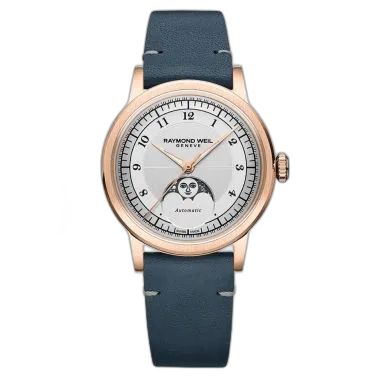
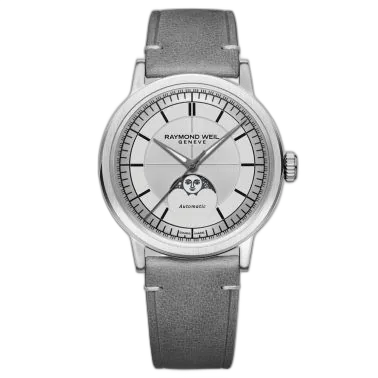
Slim and composed enough to sit under a cuff all week, with a real Powermatic 80 movement behind the clean dial for anyone who wants mechanical character without the sports-watch look.

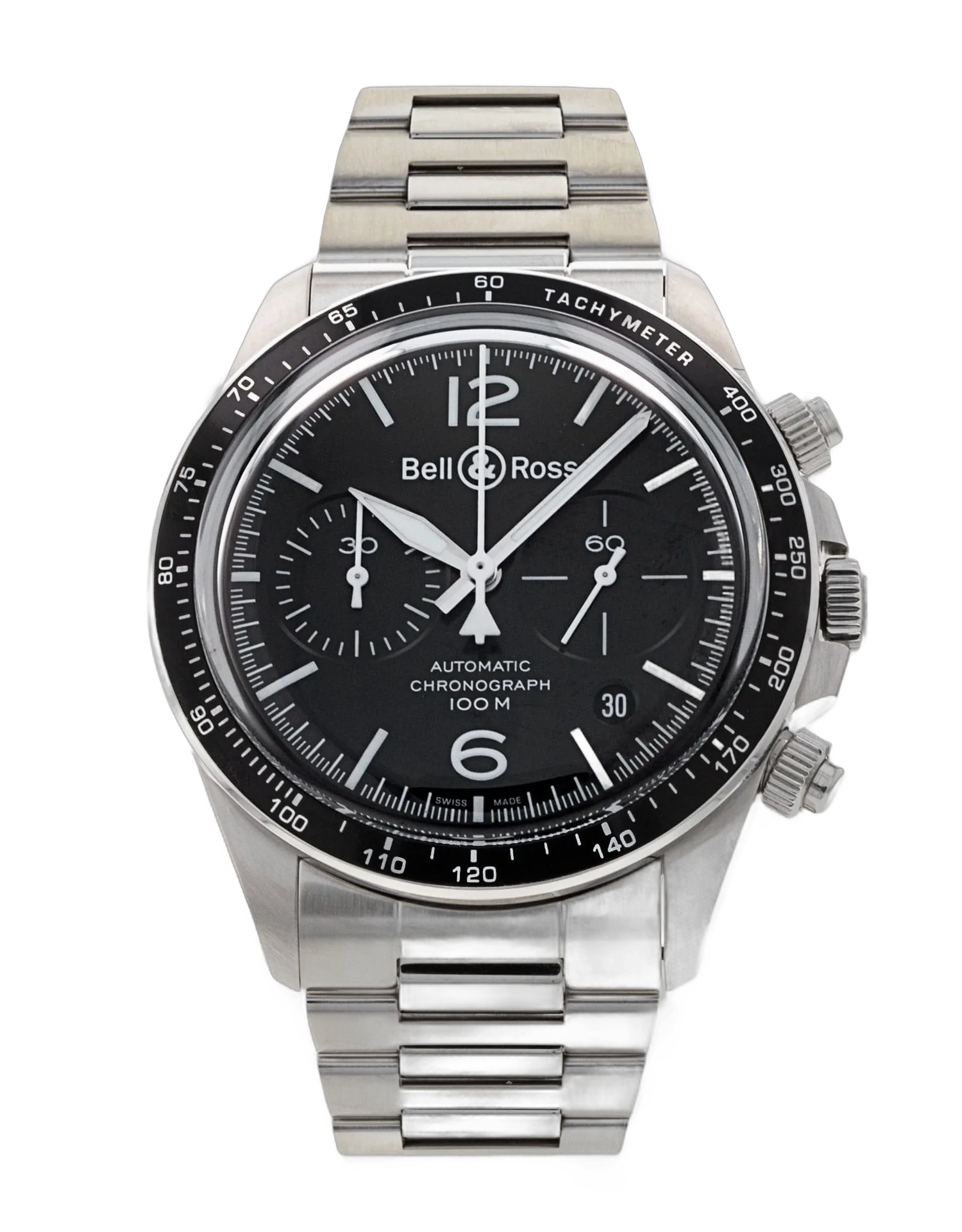
The most straightforward daily-wear proof point here — a 47mm lug-to-lug and an 11mm case keep it genuinely compact, and a simple dial with 100m of water resistance means you can just wear it and stop thinking about it.
All references