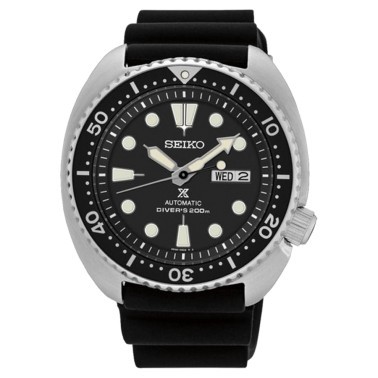
Seiko · ~$453
Prospex Mer Diver's
200m of water resistance and a unidirectional bezel on a genuine automatic movement — the accessible end of the dive watch archetype, done properly.
The dive watch was built for underwater use — a unidirectional rotating bezel, real water resistance, and legible markers — but it's become the most versatile everyday style precisely because those same features work just as well on dry land. The category's iconic references — the Rolex Submariner, Omega Seamaster, and Blancpain Fifty Fathoms — set the template decades ago; the two real, verified picks below show the archetype at prices those references don't reach.
Seiko · ~$453
Prospex Mer Diver's
200m of water resistance and a unidirectional bezel on a genuine automatic movement — the accessible end of the dive watch archetype, done properly.
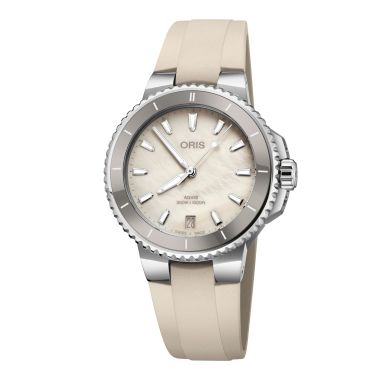
Oris · ~$2,376
Plongée Aquis Date Calibre 733
300m of water resistance and an in-house Calibre 733 in a case small enough to prove dive watches don't have to be oversized.
The quiz's complications and context questions surface dive watches when you select water-resistance-relevant use cases (sport, outdoor, travel) — the engine treats "200m+ water resistance" and "rotating bezel" as real, filterable specs, not just a style label.
100m covers swimming and snorkeling; 200m is the standard for a "real" dive watch and covers scuba diving; anything beyond 300m is more about engineering bragging rights than a practical need for most owners.
A steel-bracelet dive watch with a clean dial — like the Oris Aquis above — can work in business-casual settings; save the rubber-strap, heavily-lumed versions for genuinely casual contexts.
Ceramic resists scratches and fading better and holds color longer; aluminum is more affordable and has the classic vintage look many collectors prefer. Neither affects the watch's actual water resistance.