The Case for Pre-Owned Watches — 10h09 Journal
Waitlists broke the old rules of watch buying. Here's why the secondary market became the default — not the fallback.
July 4, 2026If you can only own one watch, the real question is not which model is “best” — it’s which category best matches how you actually live. Dress watches and tool watches solve different problems, and choosing the wrong one means ending up with a watch that never quite fits your life.
Most buyers picture themselves in situations they rarely experience. Before deciding, ask yourself: How often do you wear a suit or other formal clothing, versus casual clothes? Do you swim, hike, or do physical work regularly? Is your job client-facing, creative, technical, or a mix? Would you feel self-conscious wearing a chunky diver to dinner, or a delicate dress watch on a work site?
A dress watch — thin, understated, and usually fitted to a leather strap — makes sense if your life leans toward offices, dinners, and situations where subtlety reads as confidence rather than absence. It slips easily under a cuff, pairs naturally with formalwear, and rarely draws the wrong kind of attention.
A more attainable example is the Orient Bambino. It has the right visual codes — clean dial, slim profile, classic proportions — and delivers the dress-watch idea without demanding a luxury-watch budget.
The tradeoff is that it can feel fragile or simply out of place during physical activity, and many dress watches skip practical features like strong water resistance or added shock protection.
A tool watch — whether a diver, field watch, or pilot-inspired piece — makes more sense if your life includes unpredictable physical demands: travel, outdoor activity, manual work, or simply a preference for rugged design. It shrugs off knocks, water, and daily wear with far less fuss.
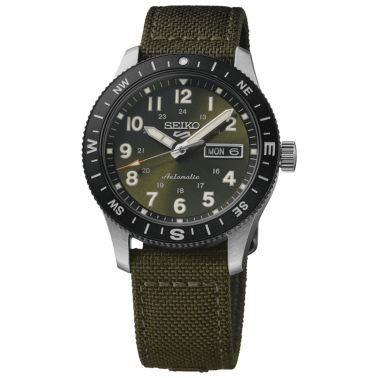
A more realistic one-watch example is the Seiko 5 Sports or a compact diver in the same vein. It gives you durability, everyday versatility, and fewer worries about where or how you wear it, which is exactly what many first-time buyers need.
The tradeoff is that, in genuinely formal settings, a large or sporty tool watch can feel visually mismatched, and the added bulk is not always comfortable under a shirt cuff.
If your life is split fairly evenly between formal and casual demands, a GADA-style watch — Go Anywhere, Do Anything — may serve you better than committing too hard to either extreme. The compromise is accepting a watch that is very good at most things rather than perfect at one.
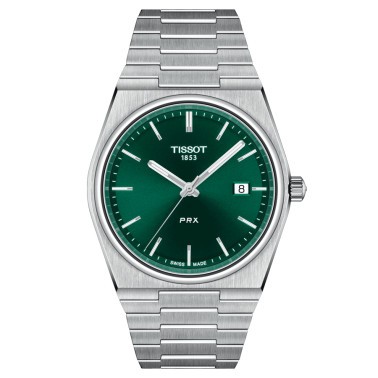
A model like the Tissot PRX Quartz sits neatly in that middle ground: cleaner and more refined than a pure tool watch, but sturdier and more versatile than a traditional dress piece. It works especially well for buyers whose week moves between office, travel, and casual social settings.
Pick based on your most common context, not your most memorable one. If 80% of your week is casual and physical, a tool watch will serve you better, even if you attend one formal event a year. If your week is mostly desk and dinner, a dress watch will feel right far more often than it feels wrong.
Not sure which category actually fits your lifestyle, wardrobe, and budget? Start with your use case, then take the 10h09 quiz for a more personalized shortlist.
“Pick based on your most common context, not your most memorable one.”
In most professional settings, yes. A 39–40mm diver or field watch in steel reads as confident and considered rather than inappropriate. It becomes an issue mainly at black-tie events or in industries where dress codes are strictly observed.
No single specification, but the combination usually means: case thickness under 10mm, diameter under 40mm, a clean dial without extra complications, and a leather strap rather than a metal bracelet. Water resistance is typically nominal rather than meaningful.
Below about €500, the distinction blurs — budget watches often fit neither category cleanly. Above €1,000, both categories are served by genuinely well-made options, so the choice matters more than the budget. The category decision stays relevant at any price point.
Waitlists broke the old rules of watch buying. Here's why the secondary market became the default — not the fallback.
July 4, 2026