The case for pre-owned: why the grey market is now the smart market
Five years ago, buying "grey market" meant something slightly shady. Today, it means you did your homework. The shift didn't happen because collectors got less picky — it happened because the traditional retail system stopped working for most buyers.
How we got here
Authorized dealers used to be the only serious way to buy a watch. You walked in, you bought what was in the case, or you waited. That waiting got out of hand. Steel sports watches from major Swiss houses developed multi-year waitlists, often requiring a "purchase history" with the boutique before you could even get in line. For most buyers, that system stopped being practical.
Independent dealers and specialist platforms filled the gap. These are businesses that buy inventory directly from other dealers, private sellers, and estate sales, then resell without the brand's involvement. That's the technical definition of grey market — not counterfeit, not stolen, just outside the brand's authorized distribution chain.
Why pricing actually works in your favor
Grey market pricing splits into two very different stories depending on the watch. Highly hyped steel sports models often trade at a premium over retail, because scarcity is engineered by the brand itself. But for the vast majority of watches — dress pieces, most chronographs, independent brands, and anything slightly out of fashion — grey market and pre-owned pricing sits well below retail, sometimes 20 to 40 percent lower for a barely-worn piece.
That gap exists because a watch loses its "new" premium the moment it leaves a boutique, the same way a car does. Buyers who understand this treat the secondary market as the place where value actually lives, not the discount bin.
Warranty is not the risk it used to be
The biggest objection to buying outside authorized channels has always been warranty coverage. That objection has weakened considerably. Many manufacturers now offer international warranty service regardless of where a watch was purchased, as long as it's authentic and hasn't been serviced in a way that voids coverage. On top of that, reputable independent dealers and platforms now offer their own warranties, often 1-2 years, backed by in-house watchmakers who inspect and service every piece before resale.
The real risk was never the absence of a manufacturer warranty. It was buying from an unvetted seller with no accountability. That's a dealer-selection problem, not a grey-market problem.
Trust now comes from process, not paperwork
The dealers that have built real reputations in this space compete on transparency: full-service history, movement inspection reports, high-resolution photography of the actual watch (not stock images), and clear return policies. Buyers should treat these signals the way they'd treat a used-car inspection report — as the real due diligence, more meaningful than a box with a brand's logo on it.
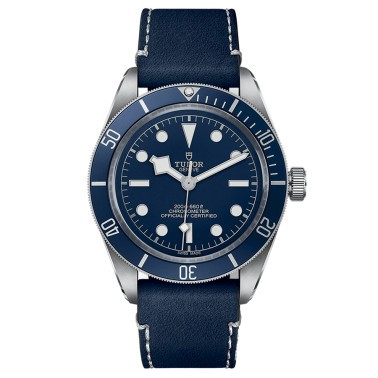
The Tudor Black Bay 58 is a good example of how this plays out. It's produced in enough volume that pre-owned examples are widely available and well-documented. They're often priced meaningfully below a new boutique purchase, and without the waitlist. Buyers get the same watch, the same movement, and in many cases a shorter path to actually wearing it.
What this means for a first-time buyer
None of this means skipping due diligence. It means the old hierarchy — new-from-boutique as automatically superior to everything else — no longer reflects how the market actually functions. A well-vetted pre-owned or grey-market watch, from a dealer with a track record, is frequently the smarter purchase: lower price, faster access, and often more transparency about condition than a rushed in-store transaction.
The real skill isn't finding a boutique with stock. It's knowing which watch actually fits your wrist, your style, and your budget — and then finding the best version of that watch wherever it lives.
“The real risk was never the absence of a manufacturer warranty. It was buying from an unvetted seller with no accountability.”
FAQ
Is buying a grey market watch safe?
Yes, as long as you buy from a vetted, reputable dealer. Grey market simply means outside the brand's authorized distribution chain — not counterfeit or stolen. The real risk is an unaccountable seller, not the grey market itself.
Do grey market and pre-owned watches come with a warranty?
Often, yes. Many manufacturers now honor international warranty service regardless of purchase location, as long as the watch is authentic. Reputable independent dealers also commonly add their own 1-2 year warranty on top.
Are grey market watches always cheaper than retail?
No. Highly hyped steel sports watches often trade above retail due to engineered scarcity. But for most other watches — dress pieces, chronographs, independent brands — grey market and pre-owned pricing typically runs well below retail.
What should I look for in a grey market or pre-owned dealer?
Full service history, a movement inspection report, real photography of the actual watch (not stock images), and a clear return policy. Treat these the way you'd treat a used-car inspection report.